


 WhatsApp Business +91 88000 09776
 CSC
CSC  WhatsApp Business
Move-in and move-out processes in apartments and offices have changed dramatically in the last few years. What was once handled through paper forms, phone calls, and informal conversations is now largely digital, tracked, and transparent. Resident apps, cloud accounting, and facility management platforms have made transitions faster and far less stressful for tenants, owners, and RWAs.
Yet still, disputes arise around deductions, cleaning standards, meter readings, or handover timelines, still remain common. Most of these issues arise not because of bad intent, but because the process is unclear or communicated too late or hurried thru. The following steps highlights how societies, landlords, and admin teams can make the move-out journey smooth, fair, and hassle-free.
1.) Having a Standard Move IN/Out Template on the App
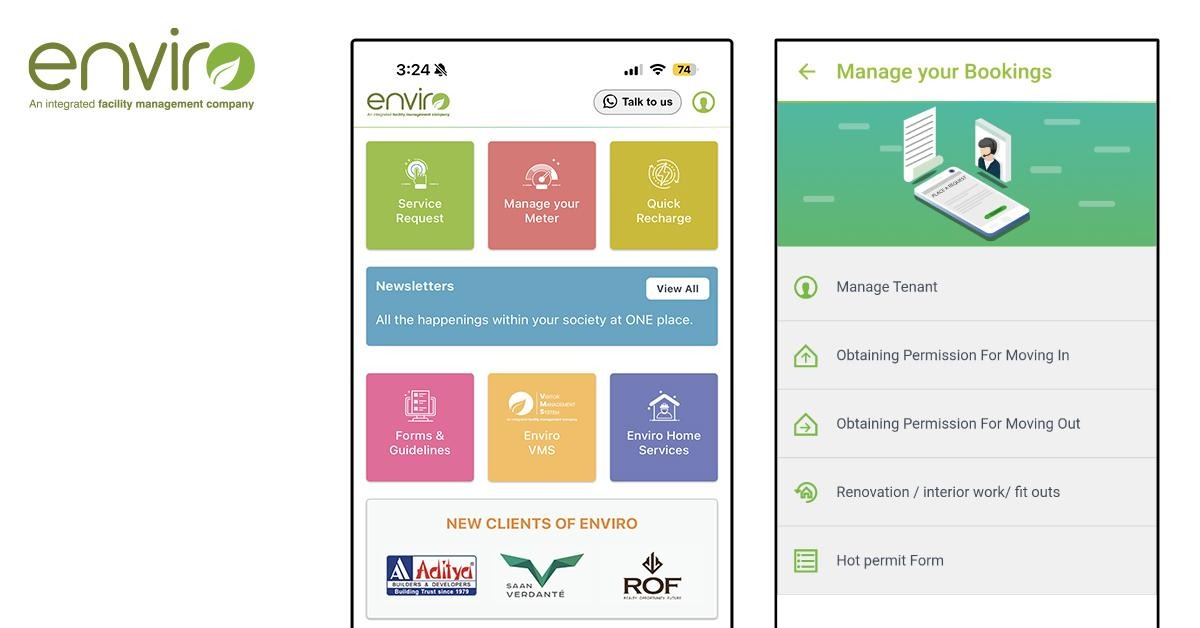
The foundation of a clean & good Entry/ Exit process is a simple, standardized form available on the society or office app. This should capture:
. Intended move-IN/out date
. Final meter readings (electricity, water, gas if applicable)
. Forwarding address and contact details
. Key and Gym / club access card handover
. Parking sticker
A digital form protects both tenant and owner. It removes verbal ambiguity and creates a clear record that the RWA, facility team, and accounts department can access. Many societies now attach a small pictorial guide within the form so residents know exactly what is expected.
When the process is standardized, even new committee members or property managers can handle exits without confusion. It also ensures compliance with local tenancy norms and internal society bylaws.
2.) Providing a Clear Move-Out Checklist Early
Most conflicts happen in the last 48 hours before vacating. Tenants suddenly realize that:
. Deep cleaning is pending
. A broken switch was never repaired
. The taps / bulbs are leaky or faulty
. The owner expects repainting
Sharing a detailed checklist at least 15 days in advance prevents this chaos. The checklist should include:
. Cleaning of kitchen, bathrooms, balconies
. Minor repairs to electrical fixtures
. Return of keys
. Parking sticker deactivation
Admin teams can push this checklist through the resident app or WhatsApp broadcast. When expectations are documented early, emotions stay out of the conversation and both sides plan better.
3.) Schedule a Pre-Inspection
A pre-inspection about a week before vacating is one of the most powerful yet underused practices.
During this visit the owner, tenant, or facility supervisor can jointly identify:
. Wall damage or whitewash needs
. Plumbing leaks
. Electrical replacements
. Furniture wear and tear
Addressing these items beforehand avoids the typical shock when the security deposit statement arrives. Tenants get a fair chance to fix issues themselves rather than face large deductions later.
Professional FM teams often create a digital inspection report with photos, which becomes the single source of truth during final settlement.
4.) Document Everything
“Verbal understanding” has no place in the modern property / facility management.
Both tenant and owner must record:
. Photographs of each room
. Meter readings with date stamp
. Condition of appliances
. Signed handover forms
Using the society app or even WhatsApp to timestamp records adds credibility. These simple steps protect everyone when there is a disagreement about:
. Existing cracks
. Old stains
. Previous wall and appliances condition
. Utility consumption
For offices, documentation is even more critical because assets like workstations, access cards, and IT equipment are involved. Digital trails reduce legal and financial risks for companies.
5.) Security Deposit Reconciliation Within a Defined Timeline
Nothing damages relationships more than delayed refunds.
RWAs and landlords should set a clear Turn Around Time (TAT) — typically 15 to 30 days — for:
. Calculating deductions
. Sharing the statement
. Initiating the refund
A transparent breakup (cleaning, painting, maintenance dues, utility bills) reduces follow-ups and arguments. Cloud accounting platforms used by many facility management companies now auto-generate these statements, making the process professional and auditable.
Tenants appreciate predictability even when there are deductions. What hurts is uncertainty.
6. ) Final Cleaning & Professional Handover
Move-outs involve dust, packing waste, and heavy movement. Expecting residents to manage professional-level cleaning on their own often leads to dissatisfaction.
Societies and offices should:
. Provide a few transferring and cleaning companies
. Share standard rate cards
. Coordinate access timings through security
. Ensure lift padding and corridor protection
Professional cleaning reduces disputes dramatically and helps the next family move in with a positive first impression. Many RWAs now make this part of their official exit SOP.
Why Digital FM Makes This Easier
Modern Integrated Facility Management brings all these steps onto one platform:
. Move-out forms on the resident app
. Ticketing for inspection and repairs
. Visitor permissions for movers
. Accounting integration for refunds
. 24×7 helpdesk support
Instead of phone calls between tenant–owner–security–accounts, everything flows through a single system with timestamps and accountability.
A well-designed move-out process is not just an administrative task—it shapes how people remember their stay in a community or workplace. Clear communication, early planning, and digital documentation ensure:
. Faster move-ins for the next occupant
. Quicker refunds
. Fewer disputes
. Better harmony between owners, tenants, and RWAs
These steps are easy to operationalize when a professional Integrated Facility Management partner manages the process with defined SOPs and technology support. The result is a transition that feels organized rather than stressful—and that is how every move-out should be.
